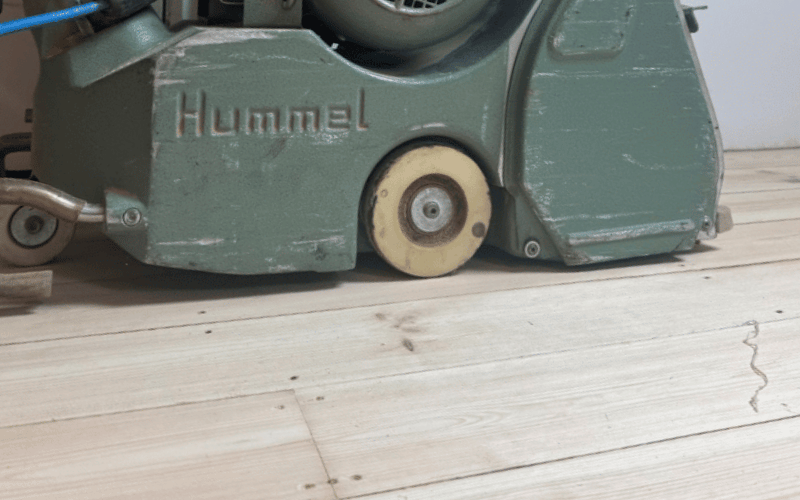
Engineered Wood Floor Sanding & Restoration

Sanding your engineered wood floor can bring it back to life. But getting it wrong can be one of the most costly mistakes in floor restoration.

If you have an engineered wood floor that looks tired, scratched, or dull, the first step is finding out whether it can be safely restored. We assess the floor before recommending any sanding, so you get a clear answer on whether sanding, re-sealing, or replacement is the right option.

Engineered Wood Flooring Refurbishment Somerset
Engineered Wood Flooring Sanding and Restoration Taunton

What makes engineered floors different?

Engineered wood flooring is built in layers, with a real wood ‘wear layer’ on top, bonded to a plywood or high-density fibreboard core underneath. The wear layer gives the floor its genuine wood appearance and is the only part that can be sanded. If sanding goes through the layer, the core is exposed and the floor cannot be refinished in the same way.

Can you sand engineered wood floors?

It depends entirely on the thickness of the wear layer.

We will check your wear layer thickness on site before quoting, usually by inspecting an inconspicuous area or a spare board (if you have one). If you don’t know the make or specification of your floor, that’s fine, we can establish what you have advise you properly.

2mm and lower

Generally can’t be sanded at all, even lightly. A scrub and re-seal or replacement is usually the better option.

3mm

May allow one light sand, carried out carefully with a lighter machine than we’d use on solid wood.

6mm

Regarded as a premium veneer, can usually be sanded safely, more than once, in the same way as a solid floor but with more caution.

How is the process different from solid wood?

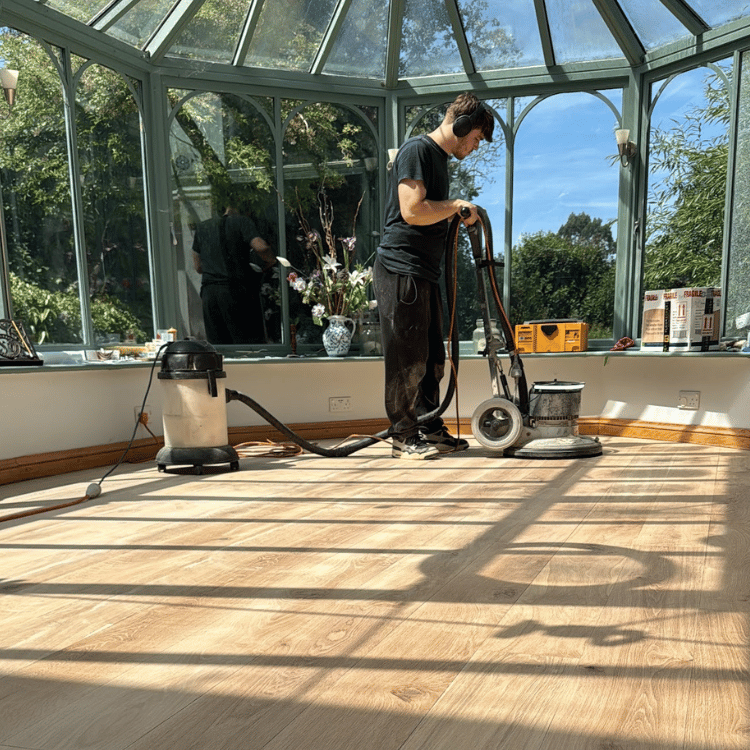
Before every job we will assess your engineered flooring. From the surface they can look similar, but the usable timber layer can vary significantly. Sanding too aggressively or sanding a floor with too thin a wear layer can expose the core underneath and permanently damage the boards. That’s why we check the floor first and only recommend sanding when it’s safe to do so.
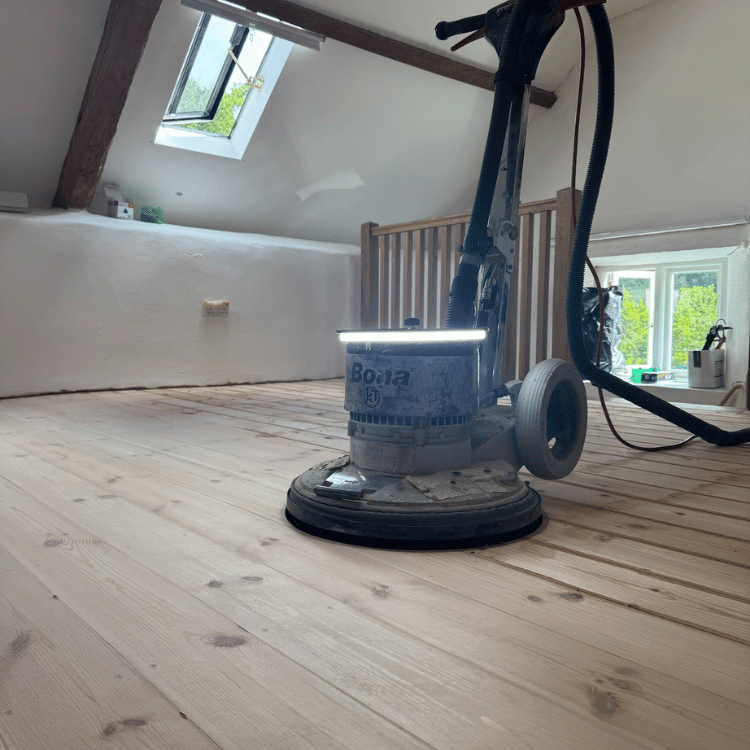
Lighter and slower passes

Lighter grit sequences and slower passes which avoid removing too much material.

Frequent inspections

Closer, more frequent checks during sanding rather than a fixed pass sequence.

Extra care at joints and edges

This is where the wear layer can be thinner than at the centre of the board.

Professional systems

We use the same dust-free Lagler and Bona systems across all our sanding work.

Professional Floor Sanding Somerset

Trusted Excellence

The Engineered Wood Flooring Experts

How much does sanding cost?

Engineered floor sanding generally costs £35-£55 per square metre, with premium finishes adding to the cost compared with a natural oil finish.

Will there be dust and disruption?

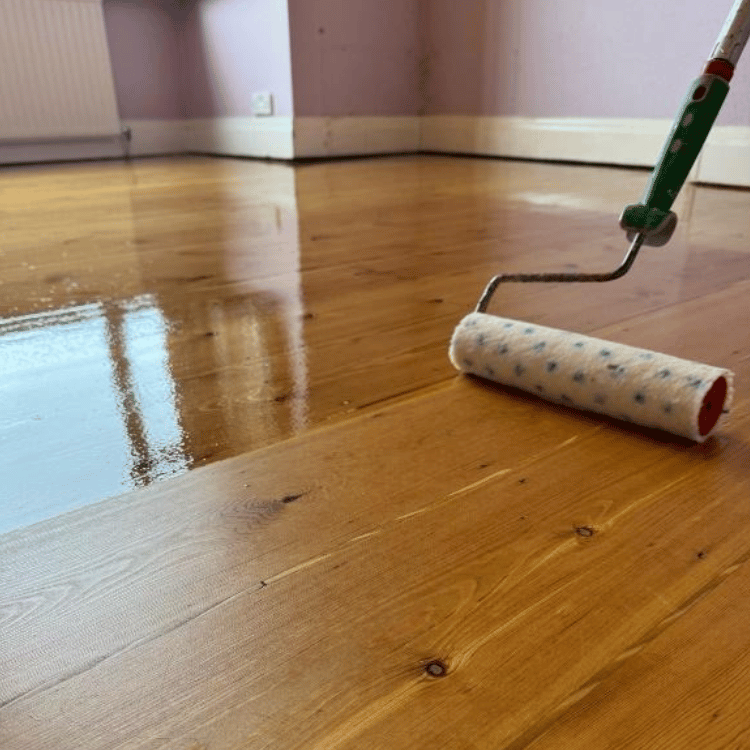
We use professional dust-reduction sanding equipment and plan our work carefully to keep disruption as low as possible. Rooms will need to be cleared prior to starting and we’ll advise you on drying times for your chosen finish.

What about solid floorboards?

If your floor is solid timber rather than engineered, they can be generally sanded several times. See our guides for the full process on solid and period boards, including Should I restore my Victorian floorboards.

Recent Projects Showcase

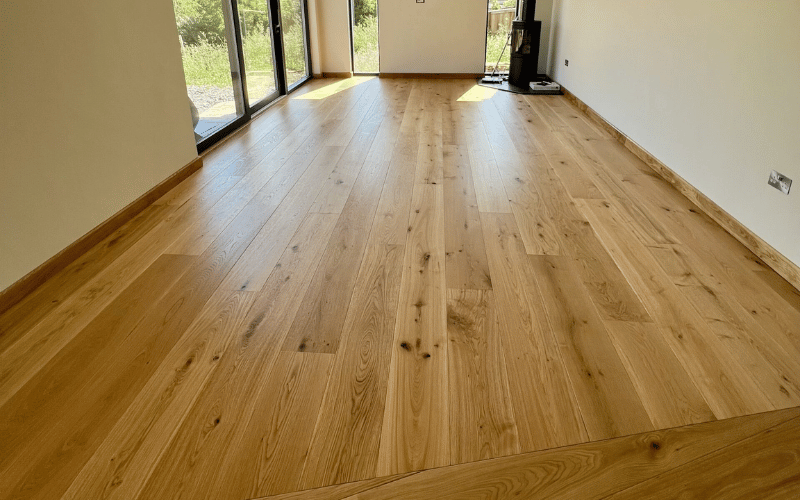
Explore some of the recent wood flooring sanding and restoration projects we have undertaken in Taunton, Somerset, and the South West.

Professional Wood Floor Sanding Taunton

Highlighted Project 1

Wood floor sanding in Taunton

Floorboard Refurbishment East Devon
Floorboard Restoration Bristol

Thinking of sanding your engineered wood floor?

TFS Flooring are the experts in sanding and restoring engineered wood flooring in Taunton, Somerset, and the South West. For a free, no-obligation assessment get in contact now and we’ll give you an honest answer before any work begins.

Scroll to Top